
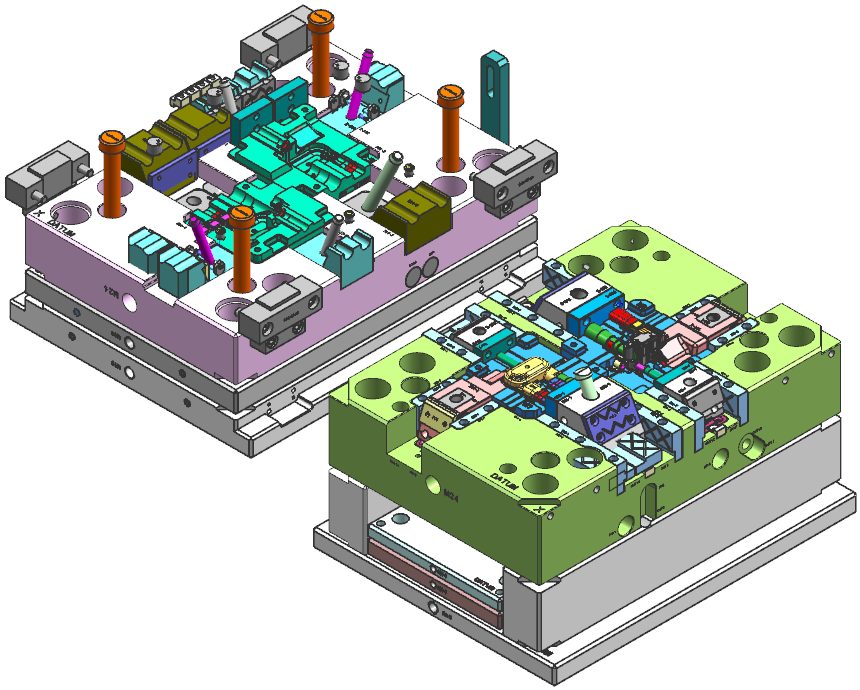
In the world of injection molding, the final product is only as good as the mold that created it. While high-speed injection presses often steal the spotlight, industry veterans know that over 80% of production issues—from warping to sink marks—originate in the mold design phase.
At Wis Moldtech, we don’t just cut steel; we engineer solutions. Here is how a focus on precision mold design translates to superior plastic parts.
1. Gate Location is Everything
The gate is the entry point where molten plastic enters the mold cavity. Placing it in the wrong spot can lead to “weld lines” (weak points) or air traps. Using advanced Mold Flow Analysis, we simulate the injection process digitally before machining begins. This allows us to predict how the resin will behave, ensuring optimal filling, packing, and cooling.
2. The Cooling Circuit Strategy
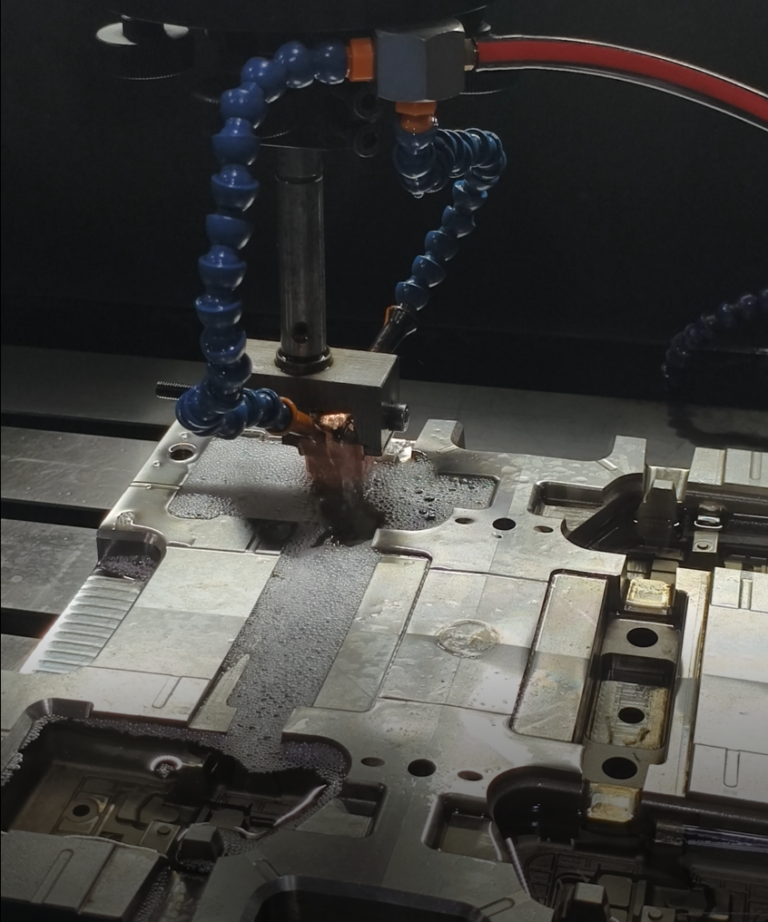
Time is money in injection molding. The cooling phase often accounts for 50% to 60% of the total cycle time. Traditional straight-line cooling channels are often inefficient for complex geometries. We utilize conformal cooling designs where possible, creating cooling lines that follow the shape of the part. This reduces cycle time by up to 30% and eliminates thermal stress that causes part deformation.
3. Venting for Quality
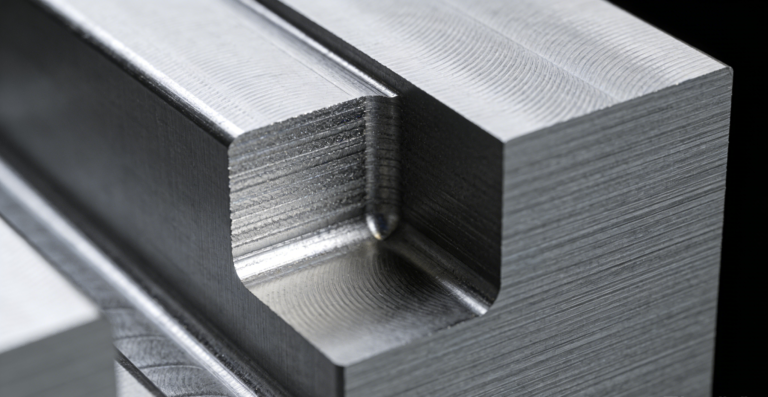
Trapped air is the enemy of aesthetics. Without proper venting, high-pressure air can burn the resin, causing “dieseling” or short shots. A well-designed mold includes microscopic venting paths (often less than 0.001 inches deep) that allow air to escape while preventing the viscous plastic from leaking out (flashing).
Conclusion
A great mold isn’t a commodity; it’s a precision tool. By investing in design upfront, we ensure that our clients enjoy faster cycle times, lower scrap rates, and a longer mold lifespan. Whether you need a prototype tool or a high-cavity production mold, our engineering team is ready to optimize your next project.