
When quoting an injection mold, one of the most critical decisions is the choice of steel. Selecting the wrong material can result in premature wear, corrosion, or even catastrophic failure.
At Wis Moldtech, we treat mold base material selection as a strategic decision that balances initial cost against long-term production volume.
Pre-Hardened vs. Hardened Steel
The choice usually comes down to volume and material abrasiveness.
Pre-Hardened Steel (e.g., P20): This is the industry standard for prototypes and low-to-medium volume production (under 500,000 cycles). It arrives pre-treated to a hardness of about 30–36 HRC. It is excellent for machining and welding but lacks the wear resistance for glass-filled materials.
Hardened Steel (e.g., H13 or S7): For high-volume production (millions of cycles) or parts using abrasive resins (like Nylon with 30% glass fiber), we use hardened steels. These materials are machined in a soft state, then heat-treated to 48–58 HRC. They offer superior wear resistance and structural integrity under high clamp pressures.
Corrosion Resistance: The Unseen Threat
If you are molding corrosive materials such as PVC, POM (Acetal), or flame-retardant additives that release acidic gas, standard steel will rust quickly. In these cases, we recommend Stainless Steel (420 or 17-4 PH) . While more expensive upfront, stainless steel prevents pitting on the cavity surface, ensuring the aesthetic quality of the part remains consistent over time.
Surface Finishing: Beyond Polish
The steel grade also dictates the surface finish capabilities.
SPI-A1 (Diamond Polish): Requires hardened, high-density steel to achieve a mirror finish, ideal for optical lenses or high-gloss cosmetic parts.
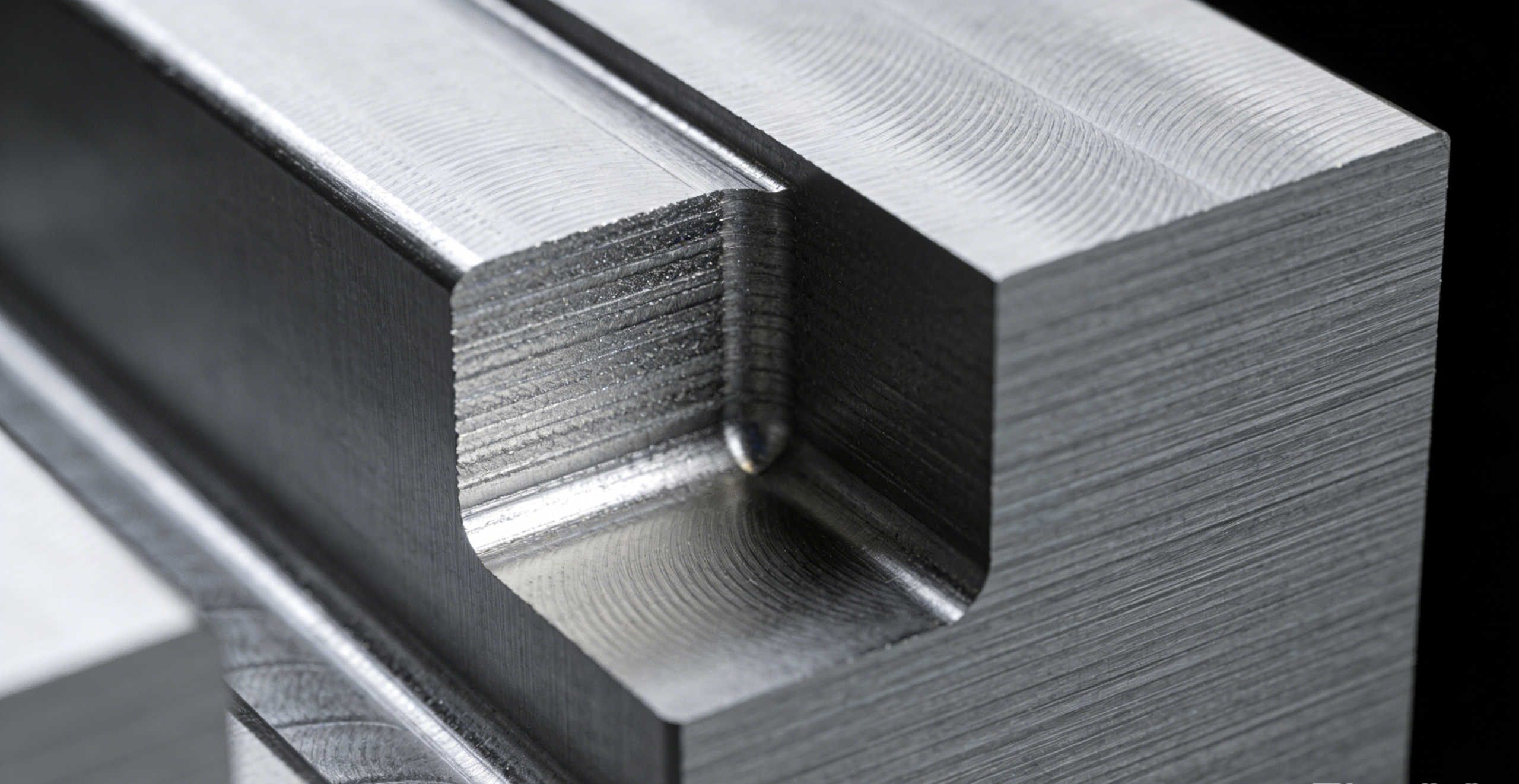
EDM Texture: Softer steels may suffer from grain tear-out during Electrical Discharge Machining (EDM), resulting in a rough texture. Harder steels provide a cleaner, more uniform grain structure for custom textures.
Our Promise
We don’t guess when it comes to metallurgy. We analyze your resin type, annual volume requirements, and cosmetic standards to recommend the exact steel chemistry that will deliver the highest return on investment over the life of the tool.